

Application guide
Gelcoat for Boat & Marine Hull Finishing
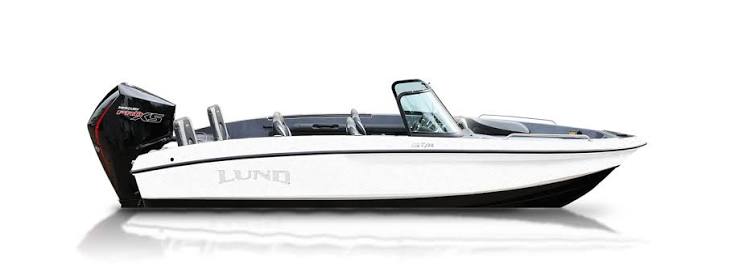
Boat and marine hulls need a smooth, glossy cosmetic skin applied to the mould first — a surface coating, not the structural laminate that gives the hull its strength.
Glossy, mould-ready hull finish.
What manufacturers build
Why this material suits the work
Required resin characteristics
- Thixotropic body that clings to curved, vertical hull mould surfaces without sagging
- High gloss, smooth cured finish straight off the mould face
- Compatible with spray or brush application over large hull areas
- Pigmentable for coloured hulls rather than plain white only
- Room-temperature MEKP cure matching standard hand lay-up workflows
Process context
Advantages
- Glossy, ready-to-use hull finish straight from the mould, without post-finishing
- Thixotropic body suited to large, curved hull surfaces without special equipment
- Pigmentable for coloured hulls in a single application step
- Standard MEKP/cobalt cure keeps the process consistent with the rest of the hand lay-up workflow
Common products
- FRP boat hulls and decks
- Cabin structures and marine component exteriors
- Coloured or white gelcoated hull surfaces
Common questions
No. It is the outer cosmetic and protective skin, applied to the mould first. The structural laminate that gives the hull its strength is built up behind the gelcoat, typically using GP Clear Resin reinforced with glass fibre.
Applying it first, against the smooth mould face, is what gives the finished hull its glossy, ready-to-use surface once demoulded — the gelcoat cures against the mould, and the structural laminate is built up on top of it afterwards.
Yes. GP Gelcoat Resin is supplied plain white, but FRP Polyester Pigment can be blended in before catalysing to produce a coloured hull finish.
GP Gelcoat Resin has no specific UV-stabiliser package confirmed in its specification. Like any unstabilised polyester surface, it can gradually yellow or chalk under prolonged direct sun exposure. For a hull expected to hold its colour long-term outdoors, discuss UV-stabilised formulation requirements with our technical team before specifying.
For hulls in continuous water immersion, a Vinyl Ester Resin laminate behind the gelcoat offers meaningfully better resistance to osmotic blistering than a standard polyester laminate. This changes the laminate behind the gelcoat, not the gelcoat layer itself.
Need gelcoat for your boat or marine hull production?
Get a bulk quote or talk to our technical team about the right gelcoat and laminate combination for your hull.
Contact Samrat FRP Traders